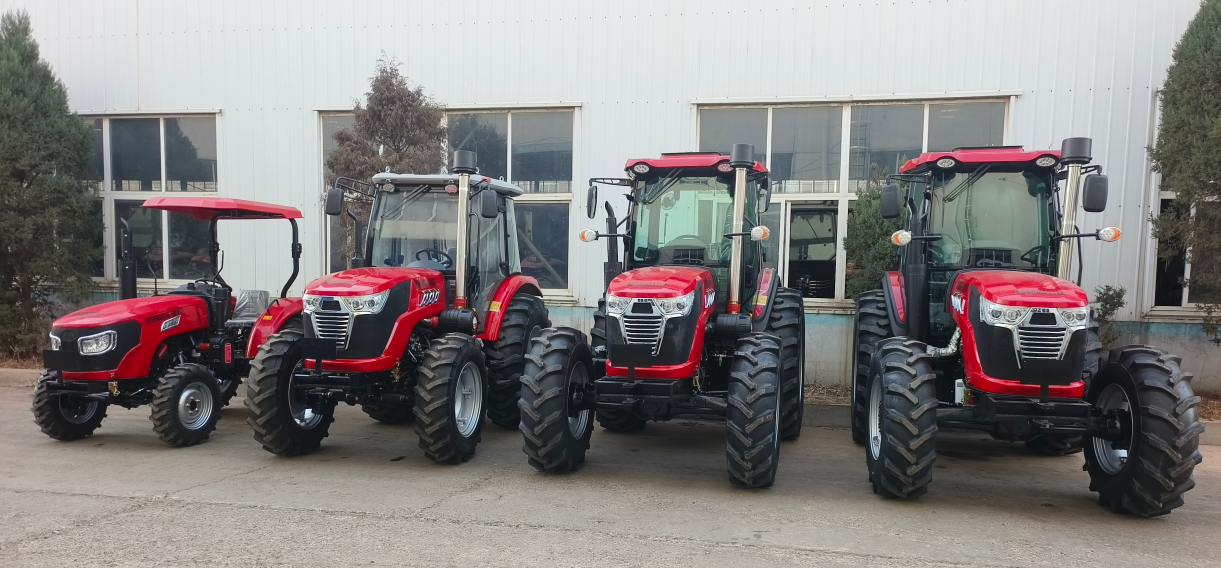

Choosing the proper diesel fuel standard is one of the simplest yet most critical steps to keep your tractor running reliably, preserve fuel injection systems, and protect your engine warranty. Wrong fuel may cause power loss, filter clogging, injector damage, poor cold-start performance or failure of exhaust after-treatment systems such as SCR and DPF.
Main Diesel Standards for Tractors
✅ EN 590 (European Standard)The mainstream on-road & off-road diesel standard widely accepted for modern tractors. It defines sulfur limit, cetane number, lubricity, CFPP and biodiesel blend limit (B7, up to 7% FAME). Most Euro III / Euro IV / Euro V tractor engines are factory-calibrated for EN 590 ULSD.
✅ ASTM D975 (US Standard)Popular in North American and many global markets, including No.1-D and No.2-D grades.
- No.2-D: Standard summer diesel, higher energy density for regular farm work
- No.1-D: Low-temperature grade for cold regions, better anti-gel performance, lower heating value Suitable for tractors following EPA emission regulations.
✅ EN 15940 / ASTM D975 HVO Renewable Paraffinic DieselHydrotreated vegetable oil (HVO) renewable diesel. Compatible with most modern tractor engines, can be used neat or blended. Good storage stability, lower emissions. Confirm engine manual approval before use.
✅ Biodiesel Blends B7 / B10 / B20B7 is covered under EN 590 and widely approved. B10 / B20 (ASTM D7467) need explicit manufacturer permission. Higher biodiesel content raises risks of water absorption, microbial growth and seal swelling during long storage. Not all older tractor engines support B20.
✅ Off-Road Farm DieselLow-sulfur off-road diesel for agricultural use. Check local sulfur regulations and emission requirements. Not recommended for tractors fitted with DPF/SCR after-treatment systems.
Core Selection Factors
- Emission Tier of Your Tractor EngineModern tractors with DPF, SCR, AdBlue systems require Ultra-Low Sulfur Diesel (ULSD, ≤15 ppm sulfur). High-sulfur fuel will poison catalysts and damage after-treatment components. Older mechanical engines without emission controls have looser sulfur tolerance.
- Local Climate & CFPP (Cold Filter Plugging Point)CFPP must be at least 5°C below the local lowest expected temperature. In cold seasons, switch to winter-grade blended diesel or use anti-gel additives to prevent wax precipitation and filter blockage. No.2-D diesel is for warm seasons; No.1-D or winter blends for freezing weather.
- Cetane NumberMinimum cetane 45 is recommended for most tractors; ≥50 delivers smoother cold starting and cleaner combustion, especially at high altitude and low temperature.
- Lubricity & Storage ConditionULSD has lower natural lubricity. Long-term stored fuel needs proper stabilization. Avoid contaminated water-laden diesel, which accelerates injector wear and bacterial growth.
- Manufacturer Manual PriorityAlways follow the official engine specification first. Some brands restrict high biodiesel blends; using non-approved fuel may void the warranty.
Quick Do & Don’t
✅ Do: Match standard to emission tier; pick correct CFPP for your climate; buy from reliable suppliers; check fuel clarity. ❌ Don’t: Mix random high-biodiesel fuel without approval; run high-sulfur diesel in SCR/DPF tractors; ignore winter fuel grade.
CTA
Check your tractor engine manual, or contact us for fuel advice matching your working region.