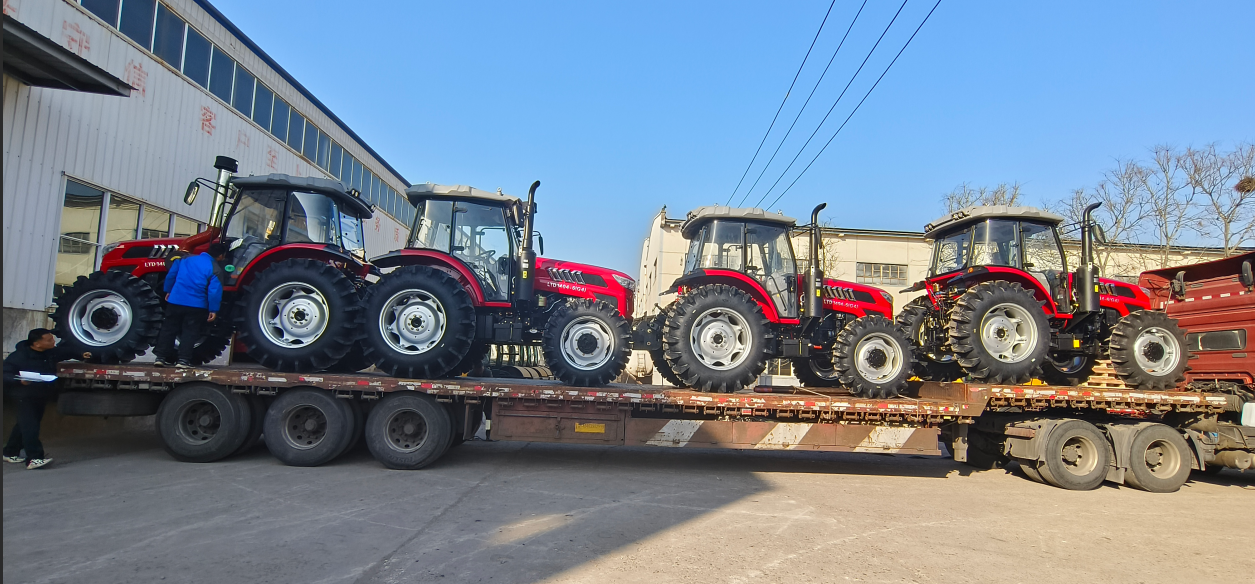
Cultivated acreage is the primary reference when selecting an agricultural tractor. A properly sized tractor balances working efficiency, fuel consumption, implement compatibility and investment cost. Too small and it struggles with tillage, plowing and planting; oversized models waste fuel, raise purchase costs and are difficult to maneuver in narrow plots, orchards or fragmented farmland.
Below is our practical matching guide sorted by cultivated area, together with extra factors you should not ignore.
Tractor Recommendation by Cultivated Acreage
✅ 1–5 acres (Mini / Hobby Farm)Recommended: Sub-compact tractor, 15–25 HP Best for home gardens, small vegetable plots, orchard maintenance, mowing, light loader work and small trailer hauling. Compact body, narrow turning radius, easy to operate in tight rows and small yards.
✅ 5–20 acres (Small Family Farm)Recommended: Compact tractor, 25–45 HP The most versatile range for diversified small farms. Handles rotary tillers, small plows, seeders, sprayers, hay cutters and front loaders. Great for mixed crops, orchards and pasture management. 4WD version preferred for wet soil and slopes.
✅ 20–50 acres (Medium Family Farm)Recommended: Utility tractor, 45–70 HP Suitable for continuous field operation, deep plowing, heavy harrowing, baling and medium-sized planters. Strong PTO output, stable hydraulic system, higher travel speed to shorten planting and harvesting windows.
✅ 50–150 acres (Commercial Medium Farm)Recommended: Row-crop / standard utility tractor, 70–120 HP Built for large single fields, grain crops and commercial planting. Works with wide tillage implements, large seed drills and heavy trailers. Good traction, high lifting capacity and longer continuous working time.
✅ 150 acres and above (Large Commercial Farm)Recommended: High-horsepower farm tractor, 120 HP and above Designed for high-efficiency large-scale farming. Matched with wide combined implements for deep tillage, subsoiling and bulk seeding. Low unit fuel consumption on large flat fields, greatly reducing labor and working cycles.
Additional Key Factors Beyond Acreage
Acreage is the baseline, but these conditions will adjust your horsepower choice:
- Soil condition: Heavy clay soil needs higher power than loose sandy soil for the same acreage.
- Topography & terrain: Hilly, sloped or waterlogged land requires 4WD and extra horsepower for traction.
- Main implements: Match tractor PTO power and 3-point lift capacity to your heaviest attachment (plow, baler, subsoiler).
- Plot shape: Fragmented, narrow plots prefer compact flexible models even with larger total acreage.
- Working time window: If you need to finish sowing or harvesting in a short rainy season, upgrade to a higher horsepower model for faster throughput.
- Future expansion: Choose a tractor that can support moderate acreage growth without immediate replacement.
Common Mistakes to Avoid
❌ Choose only by total acreage while ignoring heavy-duty tillage demand ❌ Buy excessive horsepower for small scattered plots, causing poor mobility and high running cost ❌ Underestimate PTO and lifting requirements for your main farm implements
CTA
Tell us your cultivated acreage, soil type and main farming implements, and we will recommend the most suitable tractor model for you.