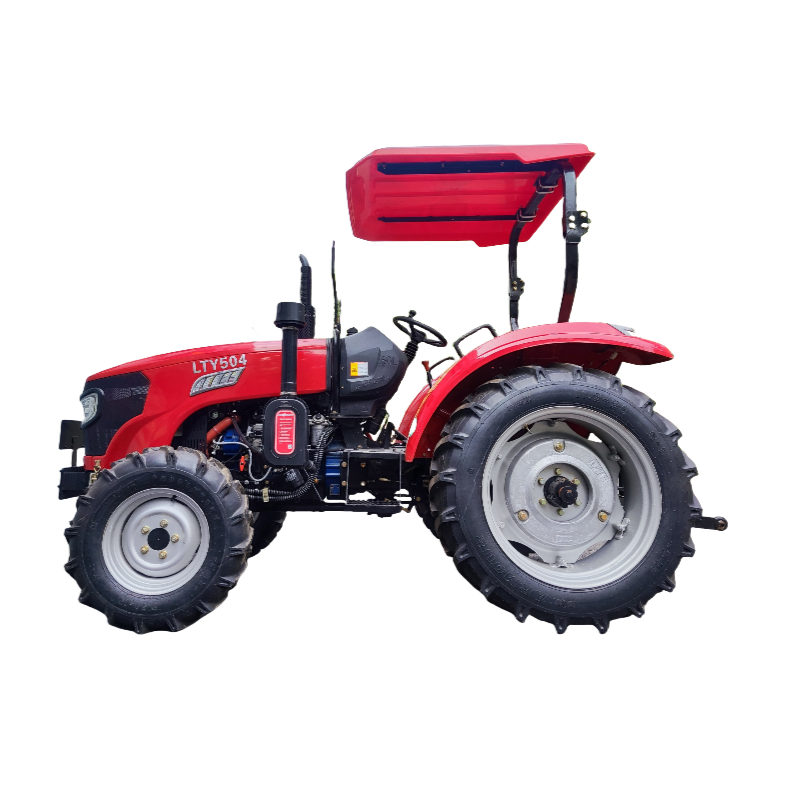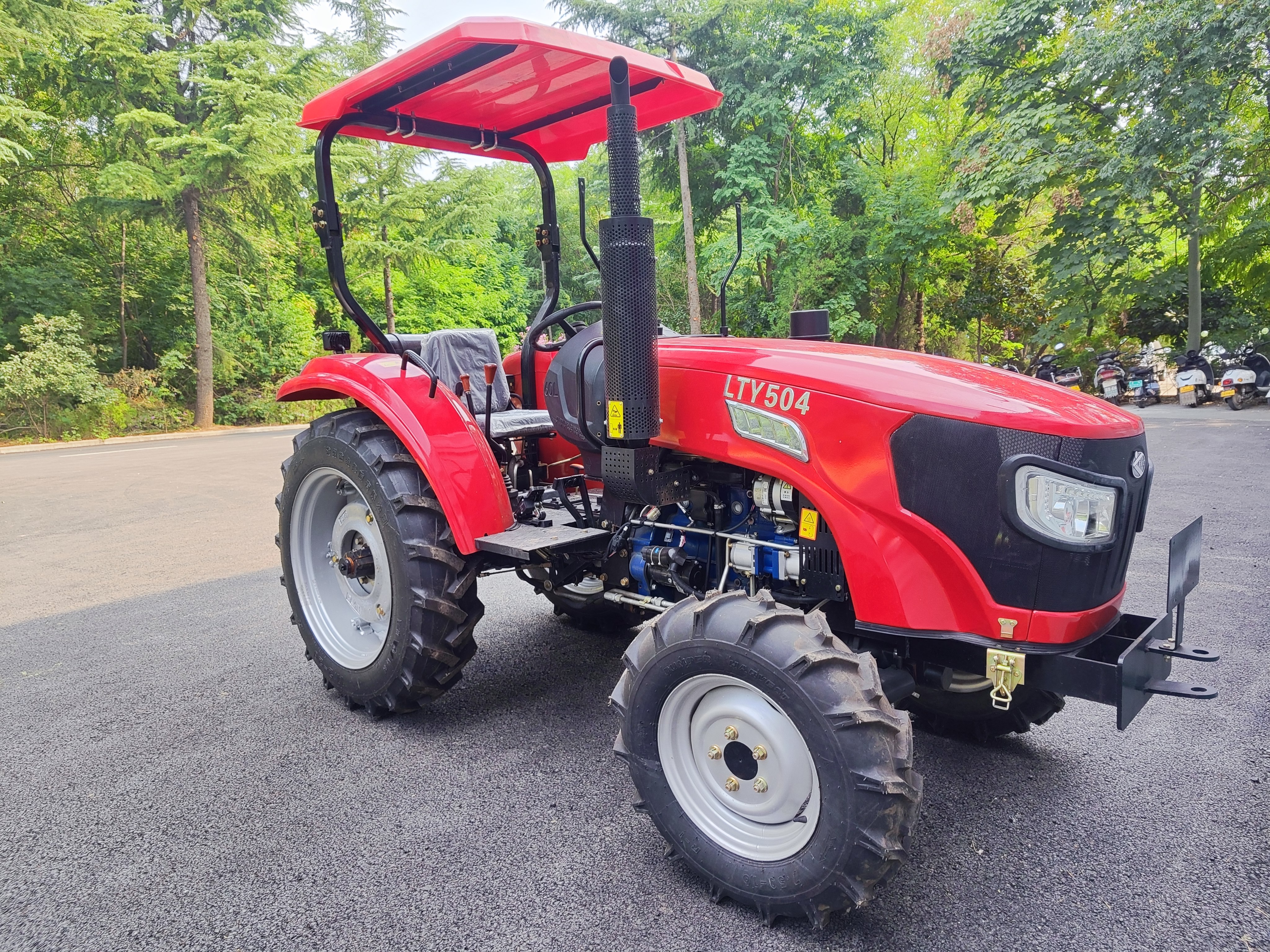
As Southeast Asia’s largest agricultural economy, Indonesia boasts massive untapped potential for the tractor industry. Backed by the government’s goal to achieve 70% farm mechanization coverage by 2026 and agricultural subsidy policies covering up to 60% of farm machinery costs, the country’s tractor demand keeps rising. Dominated by Japanese brands like Kubota at present, the market features fragmented small farmlands, widespread palm oil and rice plantations, and low purchasing power of grassroots farmers. To gain stable market share, enterprises need targeted localized development strategies, with a total word count around 500.
First, optimize product portfolios to fit local farming conditions. Indonesian farmland falls into two core categories: scattered smallholder plots and large-scale food estates and palm oil plantations. For millions of small farmers, cost-effective 12-60HP compact two-wheel and mini four-wheel tractors are the mainstream choice, which fit narrow farm paths and humid tropical soil. Meanwhile, high-power fuel-saving tractors compatible with Indonesia’s national B40 biodiesel standard shall be developed for large plantations. Unlike universal models, upgraded dustproof and corrosion-resistant parts are necessary to adapt to the tropical rainy climate, lowering long-term maintenance costs for users.
Second, build localized cooperation and sales networks to cut operational costs. Strict import tariffs and complicated customs rules raise costs for direct product export. It is advisable to partner with local Indonesian agricultural enterprises to build regional assembly factories, which qualifies brands for official agricultural machinery certification and government subsidy eligibility. Besides, establishing tiered dealer networks across Java, Sumatra and Sulawesi is essential. Local dealers know regional crop cycles and farmer demands well, helping expand offline coverage in remote rural areas beyond big cities.
Third, launch inclusive financial services and farmer training programs. Most Indonesian smallholders cannot afford one-time full payment for new tractors. Cooperating with local rural microfinance institutions to offer installment payment and lease-for-use plans can greatly boost purchasing willingness. Moreover, free operational and maintenance training shall be provided for end users. Many local farmers lack mechanization skills, and systematic training can enhance brand loyalty and reduce after-sales fault rates.
Finally, improve full-cycle after-sales service. Spare parts shortage is the biggest pain point for non-local tractor brands. Building regional spare parts warehouses in core agricultural provinces ensures fast replacement and repair services. Compared with established international brands, new entrants can highlight affordable spare parts and quick on-site maintenance to form competitive edges.
In conclusion, the Indonesian tractor market favors localized, affordable and service-oriented brands. By adjusting product design, cooperating with local partners, easing payment pressure and improving after-sales support, enterprises can steadily penetrate smallholder markets and secure long-term development amid national agricultural modernization.